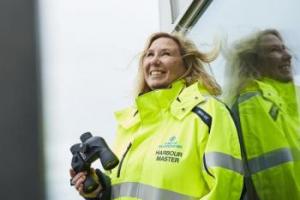
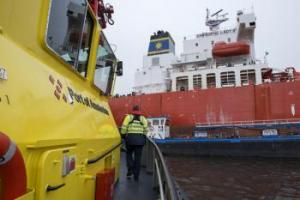
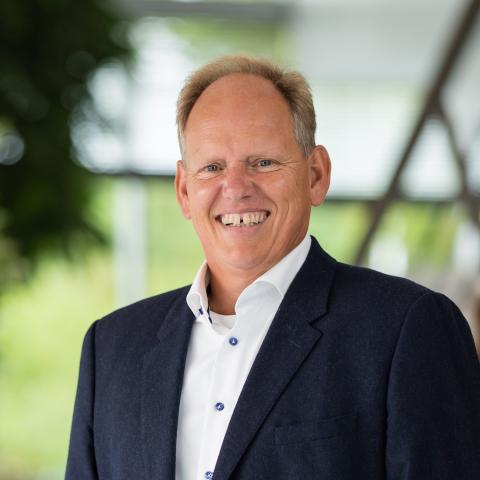
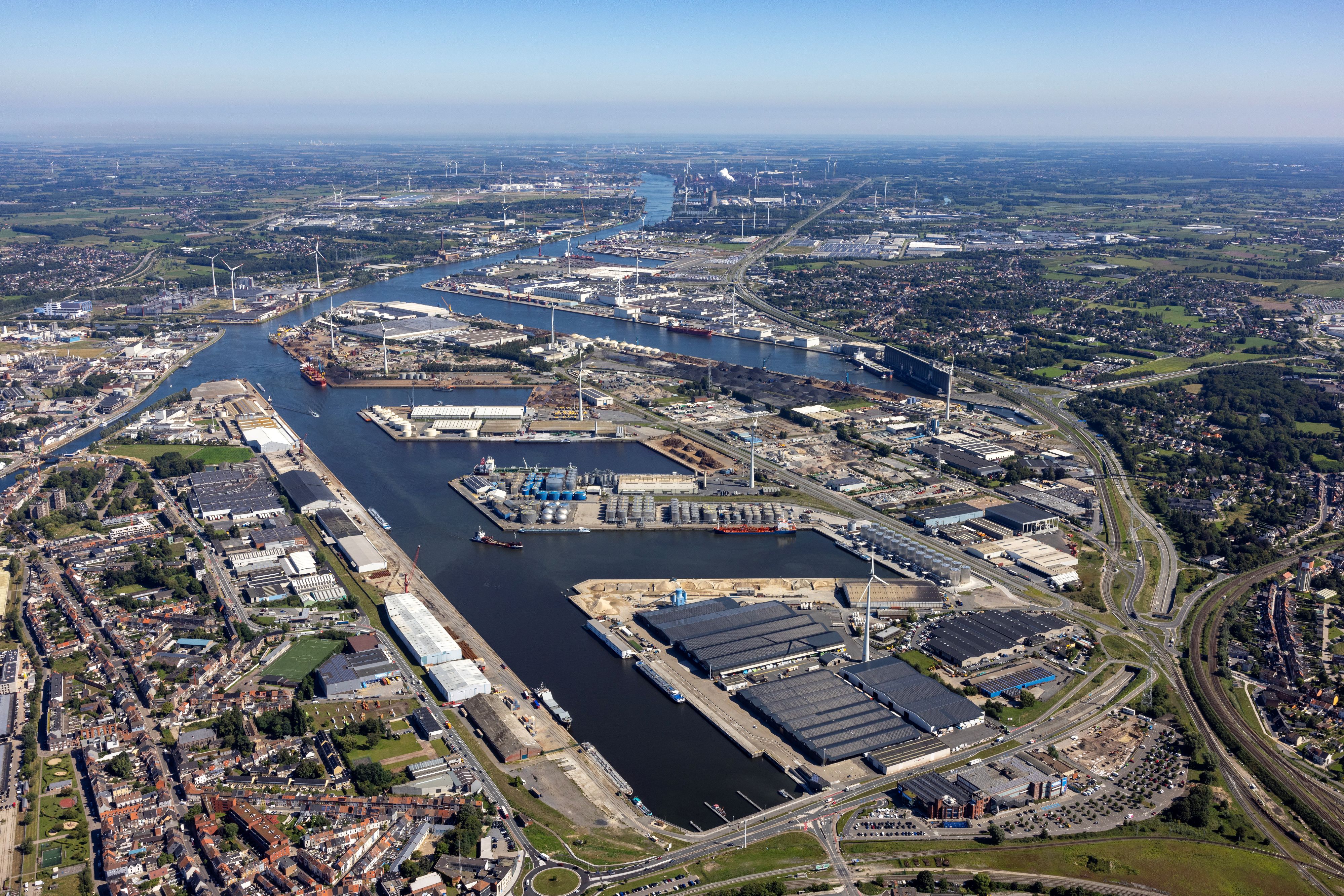
Wim van Bogaert, Harbour Master in the Belgian section of North Sea Port, graduated from nautical school in 1998 in Antwerp. Following this, he went to sea, taking on a number of roles as an officer on chemical and gas carriers for a period of six years. It was, he says, a natural step to go from this to working in a terminal.
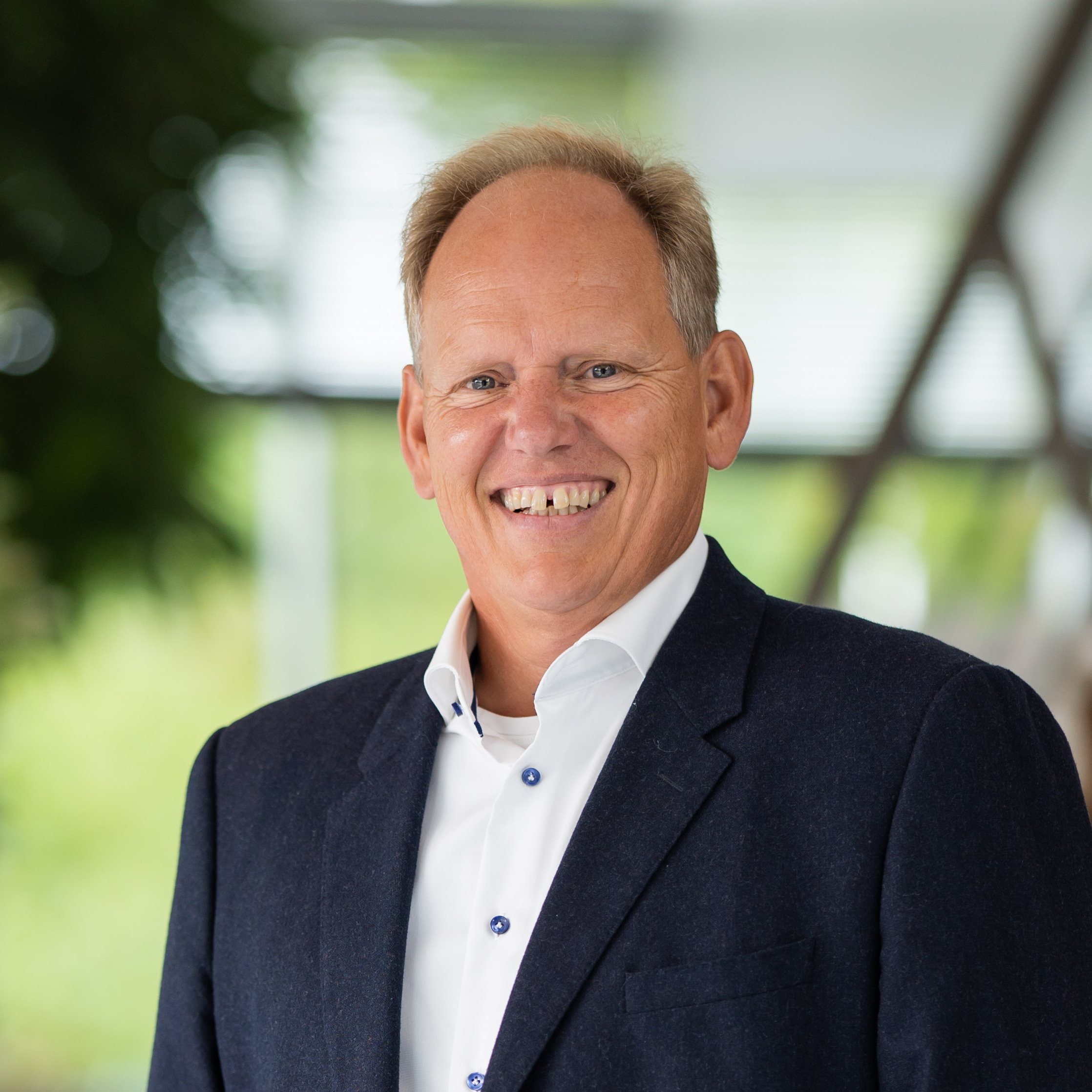
“I went to work at Vopak, first as a shift supervisor, then to the operations team before becoming a terminal manager. After that, I worked for all three of the company’s Belgian terminals, as an operations manager before becoming SHEQ manager with responsibility.”
Over a period of 24 years, he got to know the company well. He did, however, have the idea that he might try a different role once his family had grown up.
That being the case, once the children had left home, Wim started to look for new opportunities. It was at this time that North Sea Port was recruiting for a harbour master – or to use the local term, a Havenkapitein (harbour captain) – to work out of the Ghent area of the cross border port.
Ticking the boxes
“I liked the idea of continuing to work in the port. I’d been in Antwerp for over 24 years so I knew the harbour environment very well. What I didn’t know at that point was what precisely a harbour master does.
“I took a look at the requirements and saw that you needed to have been to nautical school, and to have been to sea for a time... I ticked all the boxes. So, I picked up the phone and they invited me to come over and drink a coffee.”
Instant connection
There was, he says, an immediate connection with North Sea Port. But still, Wim wanted to know more about the role.
“I reached out to the Harbour Master at Antwerp. I had encountered him in the past, but I didn’t really know him at that time. Nevertheless, he was very helpful and very open with me. He explained to me what a typical day as a harbour master looked like, and what the job involves. During my second conversation with North Sea Port, I told them that Niels had told me a lot about the role and that I was sure I wanted to do it – and they accepted me.”
A whole new world
At this point, Wim says, a whole new world opened up to him.
“I had been working for a private company for many years. This is very different. We don’t make things, for a start. And, in the port, you’re much closer to the political sphere. At a company, your stakeholders are your clients. Here, they are clients, but also the mayors, the police, the Minister of Internal Affairs...
“And, as a harbour master in Belgium, you also have a lot of legal responsibility. It’s a role that takes a lot of energy, but it also gives back a lot of energy. There are a lot of things on your plate. I wouldn’t have expected this ten years ago – if I had known, I’d have come earlier. There’s so much to achieve. I really have the feeling that as a harbour master, you can make a difference.”
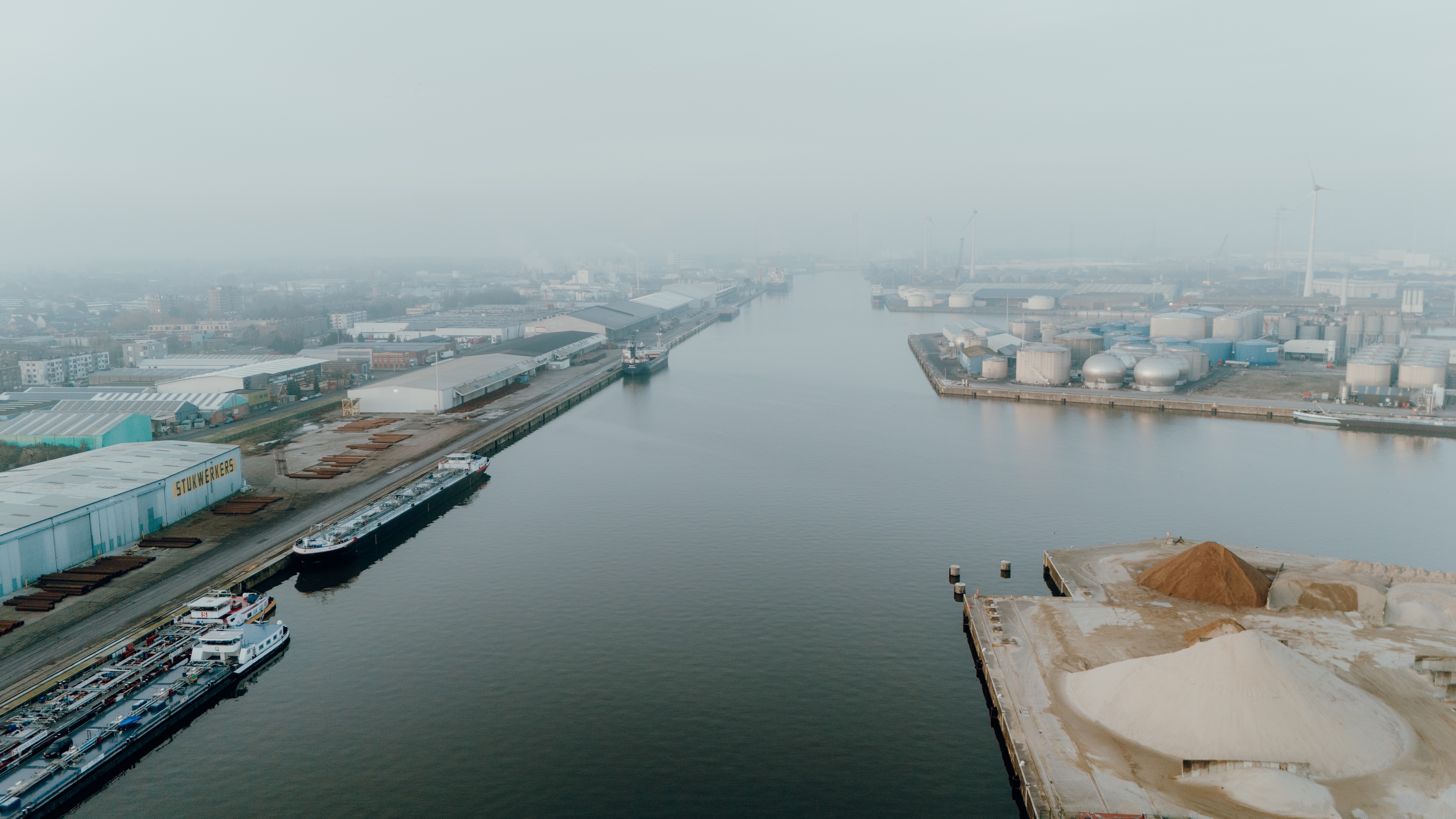
Currently, making a difference means increasing safety, security and resilience at the port, he explains.
Safety first
“The most important step is that we want to improve safety,” he says. “We have already defined the KPIs for nautical safety. Following this, we want to extend it to the other domains.”
The second step, he continues, is security. This has involved expanding the team considerably.
“If we want to be aware of what is happening in the port, we need to be present. And for that, we need people. Ensuring the security of a port is not something you can do from behind a desk. So, we’ve hired a lot more people, and set up a programme that sees us work closely with our customers in the port and with the police and other authorities.”
Ensuring resilience in this day and age requires the port to be prepared for any eventuality – including a conflict situation.
“If there is a war, the role of the port changes. All of a sudden, the supply of food, energy and medicine becomes much more important.”
Shared vision
Thankfully, Wim is not alone in tackling these matters. For one thing, there is the Harbour Master on the Dutch side of North Sea Port, with whom Wim collaborates closely.
“We see each other almost every day as we address our shared programmes and vision for 2030,” he explains.
As well as the team in North Sea Port, he collaborates closely with other harbour masters.
The collaborative spirit required for the role also extends to the companies in the port.
“In my view, the role of a harbour master is not about playing an authority role; it’s about working together with the port community. If we want to improve safety, security and resilience, our first step must be to make port users aware of the threats we all face – to ensure that they understand that it’s not only a port challenge, but a challenge for all of us.
There is a lot of cooperation involved in his role, Wim continues, expanding beyond the boundaries of North Sea Port.
“There is collaboration at multiple levels,” he says. “I am very close to my colleagues in the Port of Antwerp-Bruges. In Belgium, there is a small network of harbour masters and it is very easy for us to come together – and we do.
“Also at the European level – I represent North Sea Port in the EuropeanPort Alliance (EPA), as well as the International Harbour Masters Association (IHMA) and the European Sea Ports Organisation (ESPO).
International cooperation
In this, the international character of North Sea Port places it – and Wim – in a good position to facilitate cooperation internationally.
“As a cross-border port, we have a good understanding of what is happening in both Belgium and the Netherlands. This puts us in a unique position to be able to help ports on both sides of the border to understand each other.
“While we speak the same language, there is a different culture in both countries. This is something that is recognised and well respected in North Sea Port.”
The importance of this collaboration cannot be overstated, especially given the current need to improve safety, security and resilience.
“When it comes to safety, there are no competitors. We all help each other out. The doors are always open. And that’s really a nice part of the role.”
It is also, in many ways, the role of the IHMA in microcosm.
“It doesn’t matter where in the world you come from, as harbour masters, we have to face the same challenges. Of course, every port is different, but we all work with pilots, port businesses, and the water. We all have to deal with safety, security and resilience. All of these things bring us together and we can support one another a lot. That’s the strength of the IHMA.”
Latest News & Events
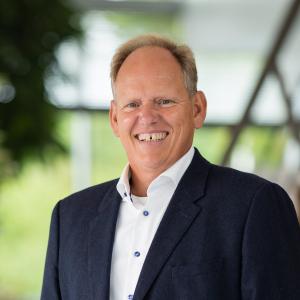
Wim van Bogaert reflects on his career in the maritime sector, his transition to the role of Harbour Master and the challenges of strengthening port safety, security and resilience.